Newsletter Subscribe
Enter your email address below and subscribe to our newsletter
Enter your email address below and subscribe to our newsletter


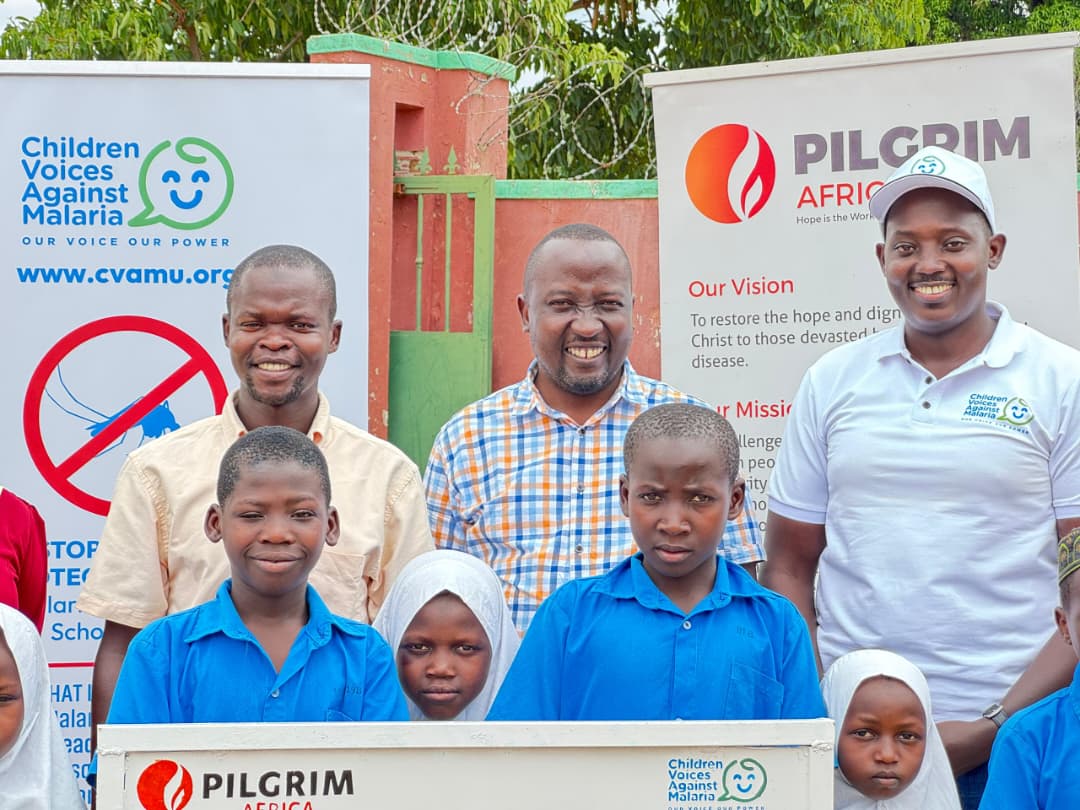
On a warm afternoon in Soroti District, a group of students gathers under the shade of a tree, their voices rising in discussion about a subject that has long affected their families — malaria.
For years, health workers have moved from home to home carrying out Indoor Residual Spraying (IRS), one of the government’s key interventions against malaria. Yet in many communities, fear, doubt and misinformation have often stood in the way.
Now, a new approach is quietly shifting that narrative by placing children at the centre of the conversation.
Through a collaboration between Pilgrim Africa and Children Voices Against Malaria (CVAM), schools are becoming unlikely but powerful platforms for influencing how communities respond to malaria prevention efforts.
Inside classrooms and school compounds, learners are not just being taught about malaria; they are becoming advocates, carrying messages back to their homes and challenging long-held misconceptions.
For many families, the change is already noticeable.
“When my child explained why the spraying is important, I understood it differently,” said a parent in Soroti. “Before, we had fears. Now we are more open.”
Health experts say such shifts in perception are critical. While IRS is scientifically proven to reduce malaria transmission, its success depends heavily on whether households accept spraying teams into their homes.
In the past, resistance has often been rooted in mistrust or lack of information — gaps that are difficult to bridge through conventional sensitisation alone.
By contrast, children bring a different kind of influence.
“Children are powerful change agents. When they understand malaria prevention, they carry that message into their homes with confidence and clarity,” said Geofrey Mugisha, the head of community engagement at Children Voices Against Malaria.
For students, the experience is also deeply personal. Many have grown up in households where malaria is a recurring threat — affecting school attendance, family income and overall wellbeing.
“I used to fear the spraying, but now I know it protects us,” said Musimeenta Comfort, one of the students. “When I go home, I tell my parents to allow the health workers to spray our house.”
Pilgrim Africa, which is implementing the IRS programme in the region, says the approach strengthens the impact of its work on the ground.
“IRS is most effective when communities understand and trust the process,” Bwaita Aggrey, a Pilgrim Africa official, said.
“Working with schools allows us to build that trust in a more sustainable and meaningful way.”
The model, which is being piloted in selected schools in Soroti, is expected to expand to other institutions in the district and beyond. Observers say it offers a promising way to strengthen community acceptance of IRS, particularly in areas where uptake has remained inconsistent.
More broadly, it reflects a shift in how public health programmes are being delivered — moving beyond top-down approaches to more community-driven models that prioritise engagement and ownership.
“This is not just about spraying houses; it is about changing mindsets,” Geofrey Mugisha stressed. “When young people take ownership, the impact goes beyond one campaign.”
As Uganda continues its push towards malaria elimination, the voices of these young learners may prove to be one of the most effective tools yet.
In classrooms and homes alike, they are not just learning about prevention — they are helping to shape it.